About the Project
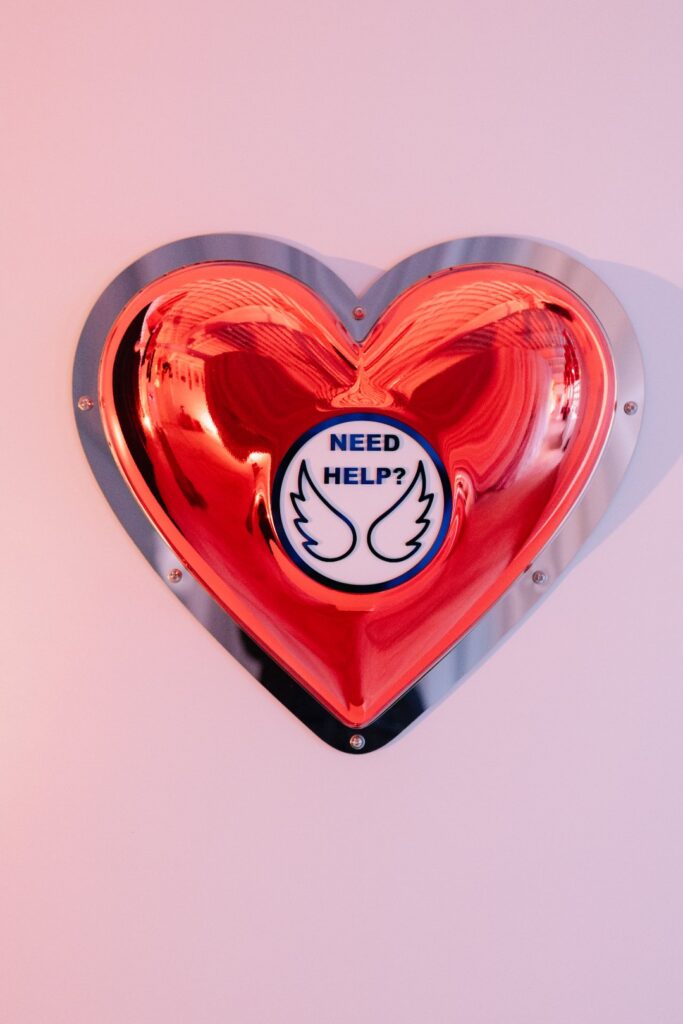
Signs of Love is a deep and provocative installation that brings together the universal symbol of love — the heart — with the universal language of control and regulation: traffic signs. The project explores the complexity and contradictions of love in contemporary society through a series of two-dimensional heart-shaped sculptures marked with familiar traffic signs such as No Entry, No Parking, and No Children Allowed. Each object juxtaposes the heart — a symbol of intimacy and vulnerability — with signs that signal boundaries, warnings, and restrictions. This contrast reflects the shifting dynamics of human relationships, in which emotional barriers, past trauma, and digital influence increasingly shape how love and trust are experienced.
“Today, we fear not loneliness, but vulnerability.”— Byung-Chul Han
Hearts bearing prohibitive signs become metaphors for the fragility and transience of relationships, the fear of trust, and even a complete refusal to allow new feelings into one’s life. The work also addresses emerging forms of emotional isolation. Live human connection is increasingly replaced by interaction with artificial intelligence and social media, where authentic emotions are substituted by signs — likes and algorithms. This virtual intimacy often intensifies inner loneliness, creating an illusion of connection while deepening the distance between people.
The exhibition invites reflection on how the perception and experience of love and friendship are changing under the influence of social transformation, technological progress, and personal experience. Signs of Love encourages viewers to examine their own emotional paths and relational patterns, connecting universally recognizable symbols with deeply intimate themes.
The artist does not teach how to love, nor does he offer ready-made solutions.
But…
He proposes an alternative — a new system of permission signs, set in opposition to a culture of prohibition. These signs restore hope for genuine, sincere connection, where through emotion and embodied experience, we can once again feel alive. This new system no longer controls the viewer’s behavior but creates a space for trust and conscious choice. The artist replaces control with invitation, shifting the focus from restriction to inner readiness.
Instead of asking, “What am I allowed to do?” the viewer is invited to ask, “What am I ready for?”
The project addresses multiple generations, with particular attention to younger audiences, offering a unique opportunity to experience the therapeutic potential of art — a space for reflection, honesty, and emotional presence.